 1350 S Fish Hatchery Rd. Oregon, WI 53575
Where You Bring The Pets You Love
Your Trusted Veterinarians in Oregon, WI.
At Country View Veterinary Service of Oregon, your pet is family.

We’re AAHA-Accredited
Our goal is to provide your best friends with the highest quality of care. Of course, we worked for accreditation by the American Animal Hospital Association for our hospitals. Our services meet or exceed AAHA’s Standards of Excellence, who covering about 900 elements at each hospital.
Your Veterinarian in Oregon, WI
Welcome to Country View Veterinary Service of Oregon
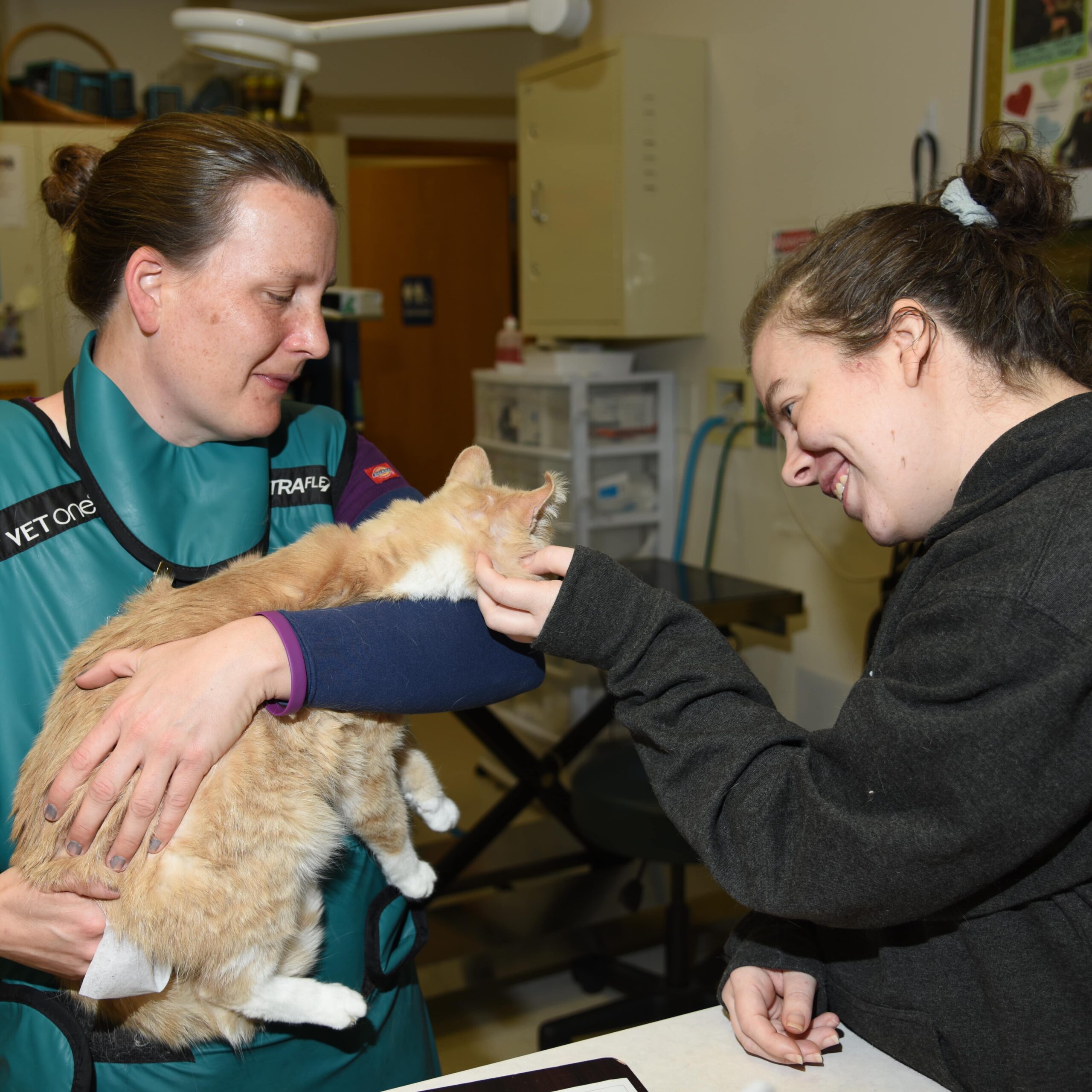
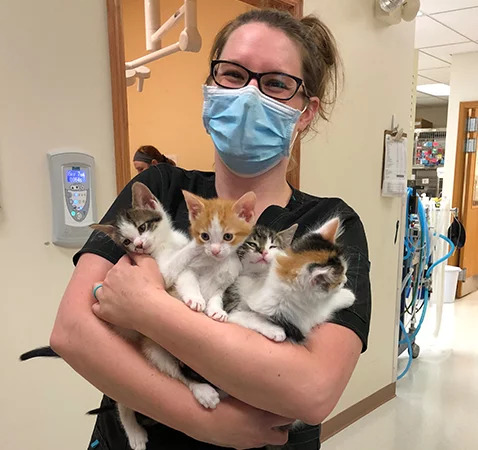
At Country View Veterinary Service, our veterinary team and staff understand just how important your cat or dog is to you, and we aim to treat them with the care and compassion they deserve. Our veterinarians in Oregon, WI, deliver full-service veterinary care with compassion and gentle handling to reduce your pet’s stress during their visit.

Meet Our Veterinarians
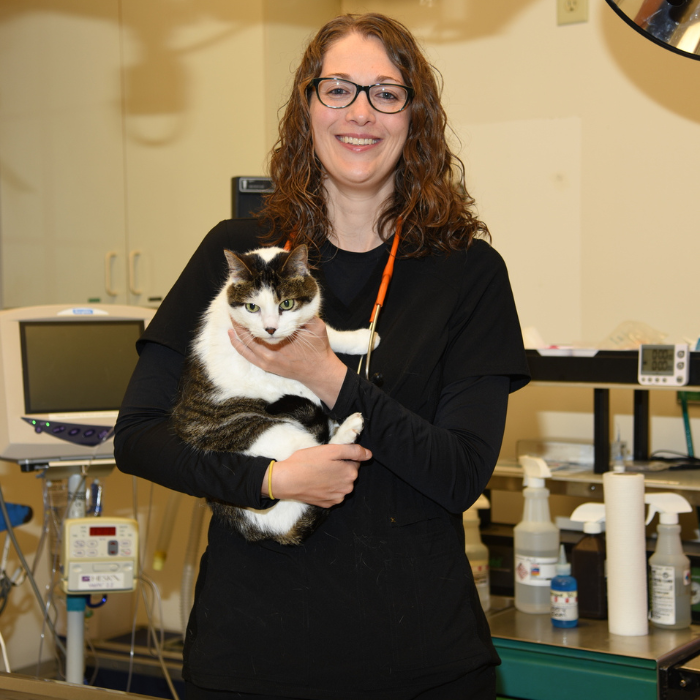
Dr. Kamnikar Lembcke
Medical Director
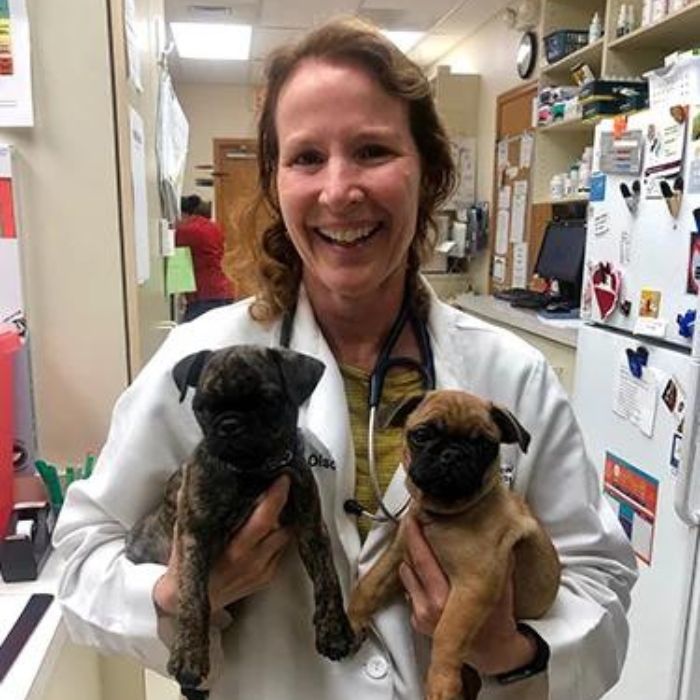
Dr. Chris Olson
Veterinarian
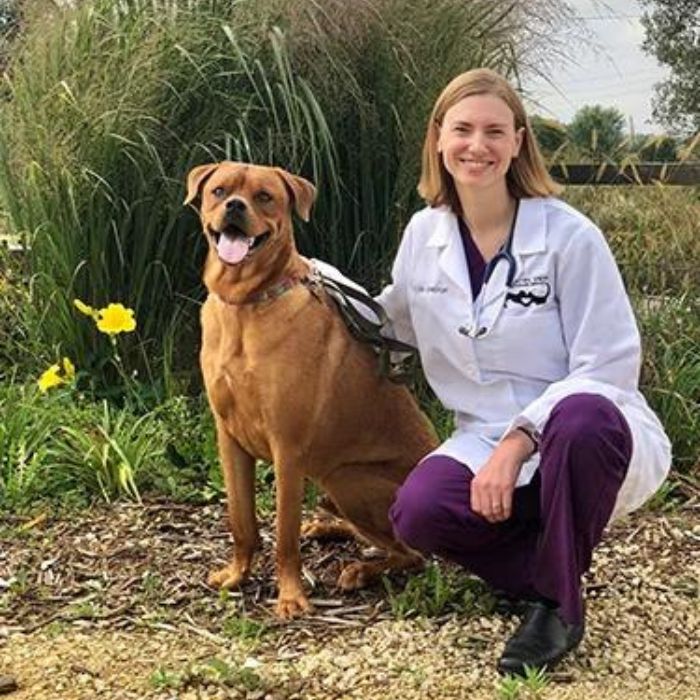
Dr. Katie Schauberger
Veterinarian
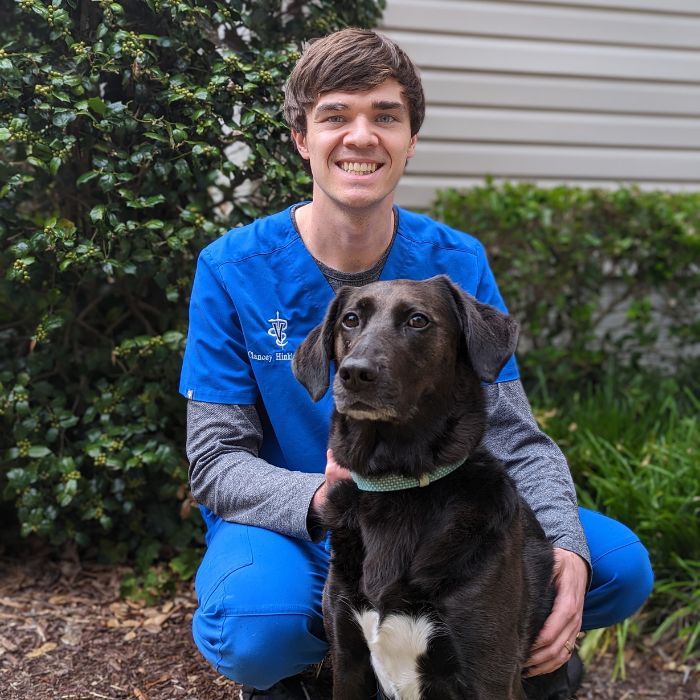
Dr. Clancey Hinkle
Veterinarian

Pet Wellness Exams

Pet Vaccinations

Pet Surgery

Pet Dental Care
Our Veterinary Services
Complete Veterinary Care in
Oregon, WI
We are pleased to provide various veterinary services to Oregon, WI, and surrounding neighborhoods. We provide excellent, caring veterinary care, including wellness exams, surgery, and preventive care. You can click on the links to learn more about our superior veterinary services.
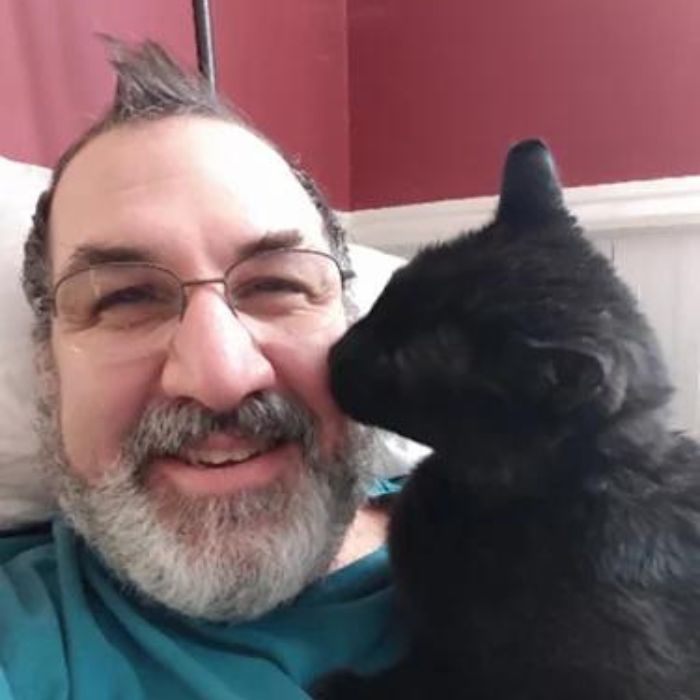
Dr. Keith Gunby
Veterinarian
Dr. Keith Gunby graduated from the College of Veterinary Medicine at the University of Tennessee in 1990. He spent the first decade of his professional career at a private practice in Connecticut and the second working at a busy emergency and critical care practice in Madison, WI. Country View Veterinary Service welcomed him in November 2011.
Dr. Gunby has a passion for providing his patients with the safest, least painful, and most up-to-date care possible. He enjoys working with all species of companion animals and has a special interest in providing patients with minimally invasive surgical options with the aid of rigid endoscopy technology (often used in human surgical procedures such as gall bladder and appendix laparoscopy). He received advanced training in the use and application of rigid endoscopy in 2007.
Dr. Gunby is excited to provide Country View patients with a full spectrum of medical and surgical care. Dr. Gunby lives with his wife (also a veterinarian), four children, and their many species of pets in Mount Horeb.
Dr. Chris Olson
Veterinarian
Dr. Chris Olson graduated from UW- Madison Veterinary Medical School in 1994. Before entering veterinary school, she received her BS in Genetics from the UW- Madison. Dr. Olson is a native Madisonian and enjoys all the diversity of the city, surrounded by lakes. She has been practicing in the area for most of her career. Dr. Olson’s interests include acupuncture, alternative therapies and pain management, dermatology, preventative medicine, and continual learning.
She recently obtained her certification in Veterinary Acupuncture. She is also a member of the American Veterinary Medical Association, Wisconsin Veterinary Medical Association, Dane County Veterinary Medical Association, American Academy of Veterinary Acupuncture, and American Association of Feline Practitioners. Outside of the clinic, Dr. Olson enjoys watching her children’s sporting events, including hockey. She enjoys playing hockey herself, participating in triathlons, and general outdoor activities. In 2016 she completed Ironman WI in Madison. She also likes to spend time with her family and two dogs, Sansa and Nymeria.
Dr. Katie Schauberger
Veterinarian
Dr. Katie Schauberger graduated in 2007 from Michigan State University College of Veterinary Medicine and practiced in Grand Rapids, MI, Milwaukee, WI, and Cincinnati, OH, before moving to the Madison area in 2018. She enjoys all aspects of veterinary medicine, especially working with people to find the best solutions for their pets. She lives with two cats, Nutmeg & Basil, three sons, and her husband. In her free time, she enjoys hiking, swimming, camping, traveling, running, and biking.
Dr. Kamnikar Lembcke
Medical Director
Our Medical Director, Dr. Anna Lembcke, received her undergraduate degree from Northland College in Ashland, WI where she also played collegiate basketball. She then received her DVM degree from the University of Minnesota College of Veterinary Medicine. Dr. Anna has always had a love of science, as well as animals, which made her career choice an easy one. In her 10-year career she has had the privilege of using her expertise working with large animals such as cattle and smaller pets such as cats and dogs. While she now focuses solely on cats and dogs, her well rounded experience was very beneficial as the Medical Director leading her two previous practices.
In her spare time, Dr. Lembcke enjoys woodworking, coaching and refereeing basketball. She and her husband Dan live in the Madison area with their son Mason and 2 cates, Samsonite and Spaulding.